Voluntary Disclosure Program Experts

Help with Unreported Offshore Assets in Canada

Resolve offshore asset non-disclosure before the CRA finds it

Canadian taxpayers with assets held outside the country face strict reporting requirements, and the penalties for failing to comply can be severe. We assist individuals, business owners, and investors who have not reported offshore property, bank accounts, trusts, or investments.
 Call Now or Book a Consultation - 100% Confidential. No Judgment. Just Expert Help.

Understand The Risks of Unreported Offshore Assets

Why addressing offshore asset non-disclosure promptly matters

Offshore assets, whether they are bank accounts, real estate, trusts, corporate shares, or investment portfolios, must be reported to the Canada Revenue Agency (CRA) if their combined cost exceeds $100,000 CAD at any point in the year. This requirement applies regardless of whether the assets generate income.

Failure to disclose these holdings can trigger significant legal and financial consequences. The CRA can impose penalties for non-filing or late filing of the Foreign Income Verification Statement (T1135), reassess prior years’ tax returns, and apply interest on unpaid amounts. In more serious cases, deliberate concealment may lead to criminal investigation and prosecution for tax evasion.

If you’ve overlooked these obligations, or have unfiled tax returns, whether intentionally or by mistake, Canada’s Voluntary Disclosures Program allows eligible taxpayers to correct past omissions before the CRA contacts them. The VDP offers a legal route to come forward, fix your filings, and avoid the harshest consequences. Acting quickly can mean the difference between paying manageable back taxes with reduced penalties or facing full fines, interest, and possible legal action.

Common Challenges Taxpayers with Unreported Offshore Assets Face

How enforcement, reporting rules, and global cooperation impact disclosure decisions

Reporting Requirements for Offshore Assets

Canadian tax law treats transparency about foreign holdings as a cornerstone of compliance. Once the combined cost of your specified foreign property passes the $100,000 CAD threshold at any point in the year, the CRA expects detailed disclosure through Form T1135. This is more than a simple checkbox; it requires breaking down asset categories, listing countries where they are held, and, in some cases, providing details on income and gains. Even assets producing no income must be reported, making it easy for taxpayers to overlook the obligation if they focus only on earnings.

Costs and Considerations in Disclosure

The Voluntary Disclosures Program can substantially reduce penalties, but it usually involves paying back taxes and at least partial interest. However, weighing these costs (plus the costs to hire professional tax consulting assistance that can reduce your tax liabilities) against the financial and legal risks of continued non-disclosure makes it an easy decision to come forward as quickly as possible.

CRA Monitoring and Enforcement

The CRA uses increasingly sophisticated tools to detect unreported offshore assets, from financial data analysis to targeted audits. Failure to comply can result in penalties, reassessments, interest charges, and, in some cases, criminal prosecution. The agency also cross-references international banking information provided to them with taxpayer filings to identify discrepancies.

Offshore Tax Haven Crackdowns

Governments worldwide are taking stronger action against jurisdictions known for secrecy and low taxes by sharing information. These crackdowns make it more difficult to hide assets abroad, and enforcement actions often extend retroactively, putting past non-disclosures at risk of discovery.

International Tax Information Exchange

Canada participates in multiple treaties and agreements that enable the automatic exchange of financial account data with other countries. This global cooperation dramatically increases the likelihood that unreported offshore holdings will be detected.

Offshore Tax Informant Programs

The CRA’s Offshore Tax Informant Program rewards individuals who provide credible information about significant cases of offshore tax evasion. This creates another potential pathway for unreported holdings to come to the agency’s attention. On a related note, CRA’s Leads Program can be used to report individuals earning unreported income from OnlyFans and other digital platforms.

Understanding the Voluntary Disclosures Program

A legal pathway to correct offshore asset non-compliance

The Voluntary Disclosures Program (VDP) is designed to give taxpayers a chance to fix past reporting errors or omissions before the CRA contacts them. For those with unreported offshore assets, the VDP can be the difference between manageable corrections and severe financial or legal consequences.
Through this program, eligible taxpayers can disclose previously unreported foreign property, bank accounts, trusts, or investments, along with any associated income. If the application is accepted, the CRA may waive criminal prosecution, eliminate gross negligence penalties, and, in some cases, reduce interest charges.

A successful VDP submission must meet strict conditions: it must be voluntary, complete, involve information at least one year overdue, and include payment or arrangements for the tax owed. Once the CRA has initiated enforcement action, such as an audit, review, or demand for information, the option to apply is typically lost.

Given the complexity of offshore holdings and the detailed disclosure requirements, preparing a strong VDP application requires legal knowledge and supporting documentation. For most taxpayers, professional representation is the only way to ensure their disclosure is accurate, complete, and positioned for acceptance.

Why Work with Our Team

Specialized expertise for high-stakes offshore disclosures

Navigating a voluntary disclosure for offshore assets requires more than just filling out forms. It demands an experienced approach that anticipates CRA scrutiny and addresses every potential gap in your file. The Voluntary Disclosure Program Help team at Faris CPA combines technical tax knowledge with real-world experience handling complex offshore disclosure cases and communicating with the CRA, ensuring no detail is overlooked.

We approach each case as a unique challenge. Our process includes reviewing foreign financial statements, coordinating with overseas institutions, and identifying documentation that supports your position. By anticipating the questions and analytical methods the CRA is likely to use, we position your disclosure to withstand review and secure the most favourable outcome available under the program.
Contact Us Today

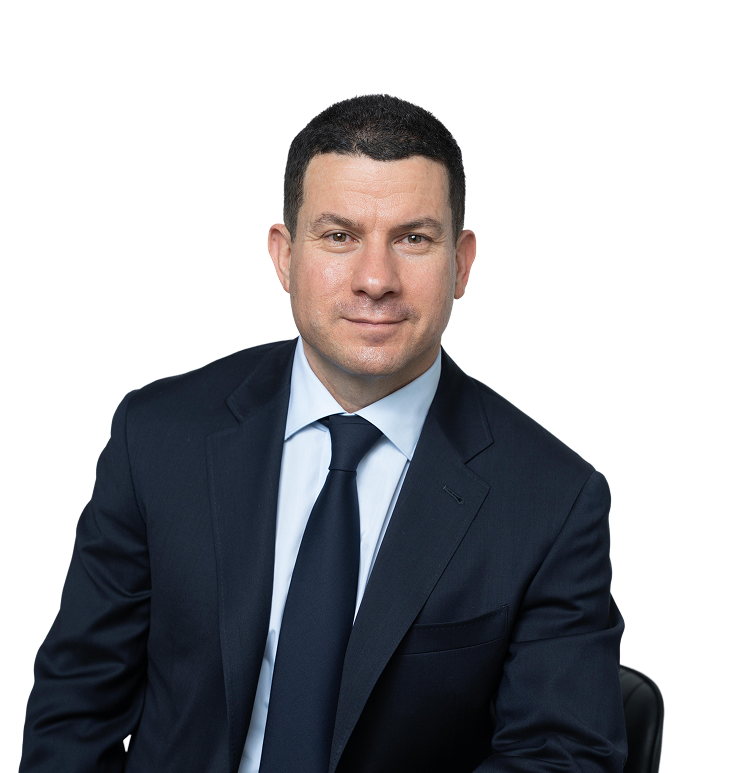
Led by Sam Faris. Powered by experience. Focused on results.
CONTACT US
Excellent
Faris CPA
Based on 375 reviews
I looked for the best tax consultant and the best tax accountant to consult with regarding a serious tax natter. I found Sam and I consulted with him with respect correcting my filed tax returns by my previous accountant. He was very helpful in providing the information and was transparent about my situation. He also recommended to file all returns under the voluntary disclosure program so I can save the penalty and the interest. I followed his advice and the results are outstanding and exceptional. If you are in search for the best CPA and the best tax advisor in Toronto and the GTA, I highly recommend hiring Sam Faris and his firm.
The entire team at Faris CPA was outstanding to work with. I approached the firm after I lost trust in my previous CPA to properly deal with my offshore reporting. I consulted with Faris CPA and decided to hire the firm. Faris CPA took my case seriously and considering the time constraints, the team worked beyond business hours including weekends and was able to file all returns under the voluntary disclosure program and I became protected under this program and I finally got a peace of mind. Faris CPA is the best tax accounting and the best CPA firm in Toronto that I highly recommend to hire for any issue with the CRA.
Sam Faris was recommended to me by my best friend as the best tax accountant in Toronto to handle my unfilled corporate and personal tax returns to avoid any escalation with the CRA. Since my file is time sensitive, he prioritized my file and made sure that the process flows perfectly without any delays. In addition, he made sure that all his work is prepared in a way to protect me from the CRA if CRA to perform a tax audit. Needless to mention that he performed a smart tax planning and saved me significant amount of taxes. Finally, he filed all returns under the voluntary disclosure program where he saved me the penalties too. I am very grateful to Sam for all his hard work and I recommend him as he is the best tax consultant and the best CPA in Toronto to handle all tax problems with the CRA.
I needed help with my tax audit with the CRA and was looking for the best tax accountant and the best tax advisor in Toronto who can successfully handle my case without promising the moon and achieving nothing. I did a thorough search online before involving Mr. Faris. When I found him online I found out that he helped my best friend resolving her tax audit issue too and she highly recommended him. When I met with him at his office, I explained the problem and he reviewed all communication with respect to the CRA audit that I am facing. I hired Sam to deal with the tax audit and the results that he achieved for me were beyond expectations. He was able to confidently represent me with the CRA and his work is unbeatable. Don’t waste your money and hire Faris CPA the best tax consulting firm in the country.

Our 3-Step Process

From confidential review to resolution

1. Private consultation
We begin with a discreet, in-depth discussion of your offshore holdings, timelines, and any related income. This is where we assess your eligibility for the Voluntary Disclosures Program and map out the best strategy for your circumstances.

2. Preparing and submitting your disclosure
Our team gathers, organizes, and presents your offshore asset documentation in a clear, compliant, legally sound application. We draft a comprehensive submission package that anticipates CRA review procedures, helping to minimize the likelihood of follow-up requests or challenges.

3. Ongoing CRA response support
After filing, we manage all CRA correspondence and requests for clarification. Our role is to protect your position, handle negotiations where necessary, and ensure the process moves toward resolution without unnecessary delays.

Frequently Asked Questions

If the total cost of your specified foreign property exceeds $100,000 CAD at any point in the year, you must file Form T1135 detailing your holdings. This includes property such as foreign bank accounts, securities, real estate, and certain interests in trusts. The form requires country-by-country reporting and, in some cases, income and gain details.

If the total cost of your specified foreign property exceeds $100,000 CAD at any point in the year, you must file Form T1135 detailing your holdings. This includes property such as foreign bank accounts, securities, real estate, and certain interests in trusts. The form requires country-by-country reporting and, in some cases, income and gain details.

Crackdowns make it more difficult to shield assets in jurisdictions with low or no tax. Increased transparency requirements and cooperation among governments mean that information once considered private is now more accessible to tax authorities.

Under agreements such as the Common Reporting Standard, financial institutions in participating countries share account details with tax authorities, who then exchange this data with other nations. This system significantly reduces the likelihood that unreported accounts will go unnoticed.

This CRA program rewards individuals who provide credible leads on substantial cases of offshore tax evasion. Informants may receive a percentage of the additional federal tax collected if the information leads to a successful outcome.

This program allows eligible taxpayers to come forward with unreported offshore holdings before the CRA contacts them. If accepted, it can reduce penalties, eliminate prosecution, and, in some cases, lower interest charges.

While disclosure can reduce penalties, you will still need to pay the taxes owed and possibly some interest. Professional fees for preparing a complete and defensible application are also standard, but the risk reduction and potential savings from penalty relief often outweigh these costs.

If you have CRA stress, Let Faris CPA handle the mess!

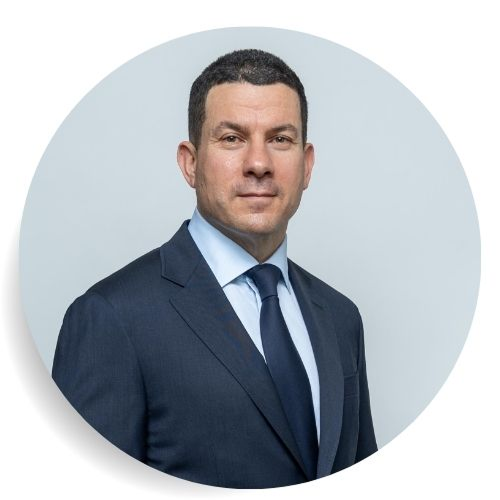
Photo of Sam Faris
linkedin facebook pinterest youtube rss twitter instagram facebook-blank rss-blank linkedin-blank pinterest youtube twitter instagram